What’s Different About Building on a Lake Lot? What Homeowners Need to Know
Date: October 20, 2026Building a home on the water is a dream for a lot of Minnesota and Wisconsin homeowners. But a lake lot isn’t simply a standard residential lot with a better view. The water affects nearly every part of the project, from where you’re allowed to build to how equipment gets onto the property, how stormwater is managed, and even which direction the home should face.
Lake properties typically require more site evaluation, permitting, engineering, and design planning than a standard residential lot. The most successful projects begin by understanding the property first and allowing the home to respond to it. That’s why, at Lake Country Builders, we encourage clients to bring their builder and design team into the conversation as early as possible, ideally before purchasing the property.
What Should You Know Before Building on a Lake Lot?
One of the biggest surprises for homeowners is how much the lot itself determines what can be built. When we first walk a lake property, we’re evaluating far more than where the house might sit. We’re looking at setbacks from the water, existing structures, lot coverage, topography, mature trees, construction access, utilities or septic, drainage, soil conditions, neighboring properties, and, of course, the views.
Sometimes the best view isn’t where the homeowner initially expects it to be. Other times, an existing cabin occupies a location that couldn’t be recreated under today’s rules. Suddenly, remodeling that cabin may offer advantages over tearing it down and starting over. Understanding those conditions early helps us identify both potential challenges and opportunities before the plans get too far along.
What Permits and Regulations Apply to a Lake Lot?
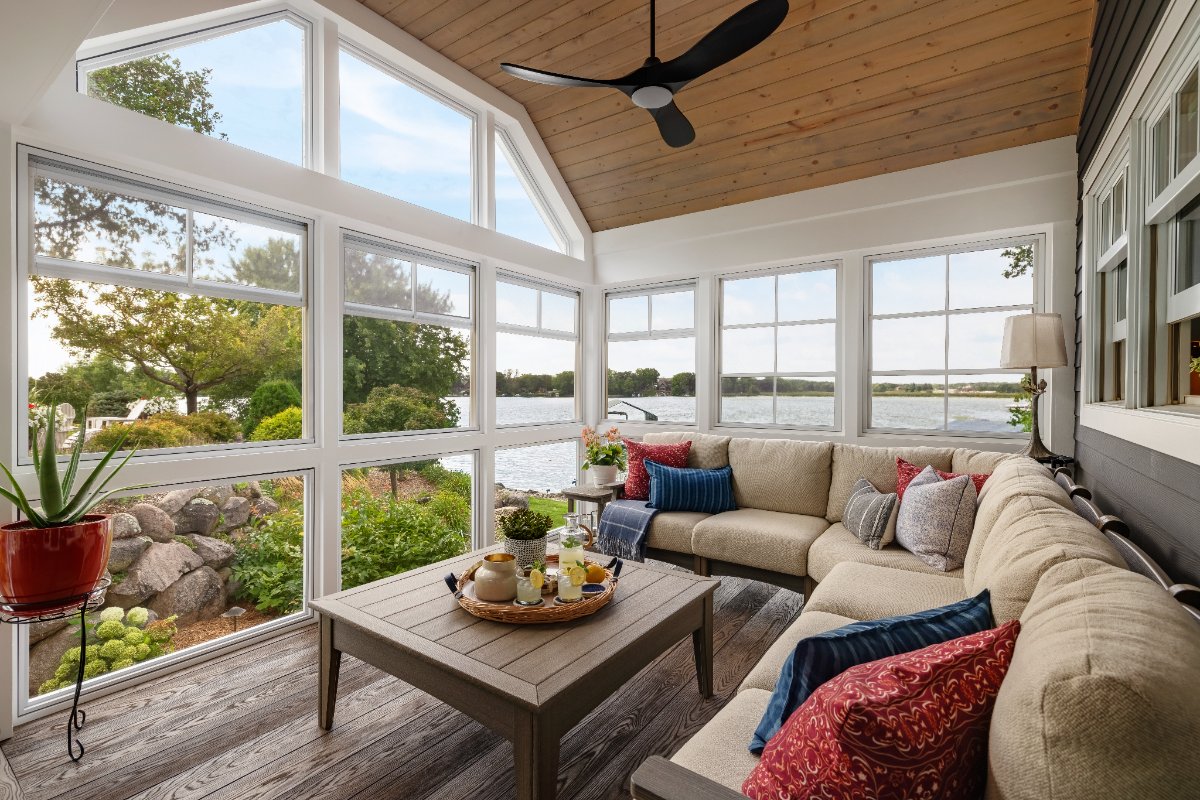
There is no single set of “lake lot rules.” Depending on the property, a project may involve city or township requirements, county shoreland ordinances, watershed requirements, DNR regulations, septic requirements, and other site-specific restrictions.
And those requirements can change significantly by location. What applies to a Lake Minnetonka property may be very different from a lake lot elsewhere in Minnesota or Northwest Wisconsin. Even neighboring communities can have different requirements.
We’ve worked on projects where setbacks, impervious surface limits, existing nonconforming structures, and the location of the existing home have all influenced what was possible.
Creative problem-solving in these situations doesn’t mean finding a way around the rules. It means understanding them early and working with architects, surveyors, municipalities, and other professionals to design intelligently within them.
Deciding between a remodel and a move? This blog can help!
Why Is Site Work More Complicated Near the Water?
Lake lots often come with slopes, challenging soils, mature trees, tighter construction access, and significant drainage considerations. Some properties have major elevation changes between the road, house, and shoreline. Others may have high water tables or soil conditions that influence excavation and foundation design.
Stormwater management is especially important. Grading, retaining walls, erosion control, drainage, and impervious surfaces all have to be considered in relation to protecting the lake. Even getting equipment onto the site can require careful planning.
Excavators, concrete trucks, cranes, and material deliveries need access without unnecessarily disturbing the property or neighboring lots. These aren’t details to figure out once construction starts. They can affect the project’s design, budget, and schedule from the beginning.
How Should You Design a Home for a Lake Lot?
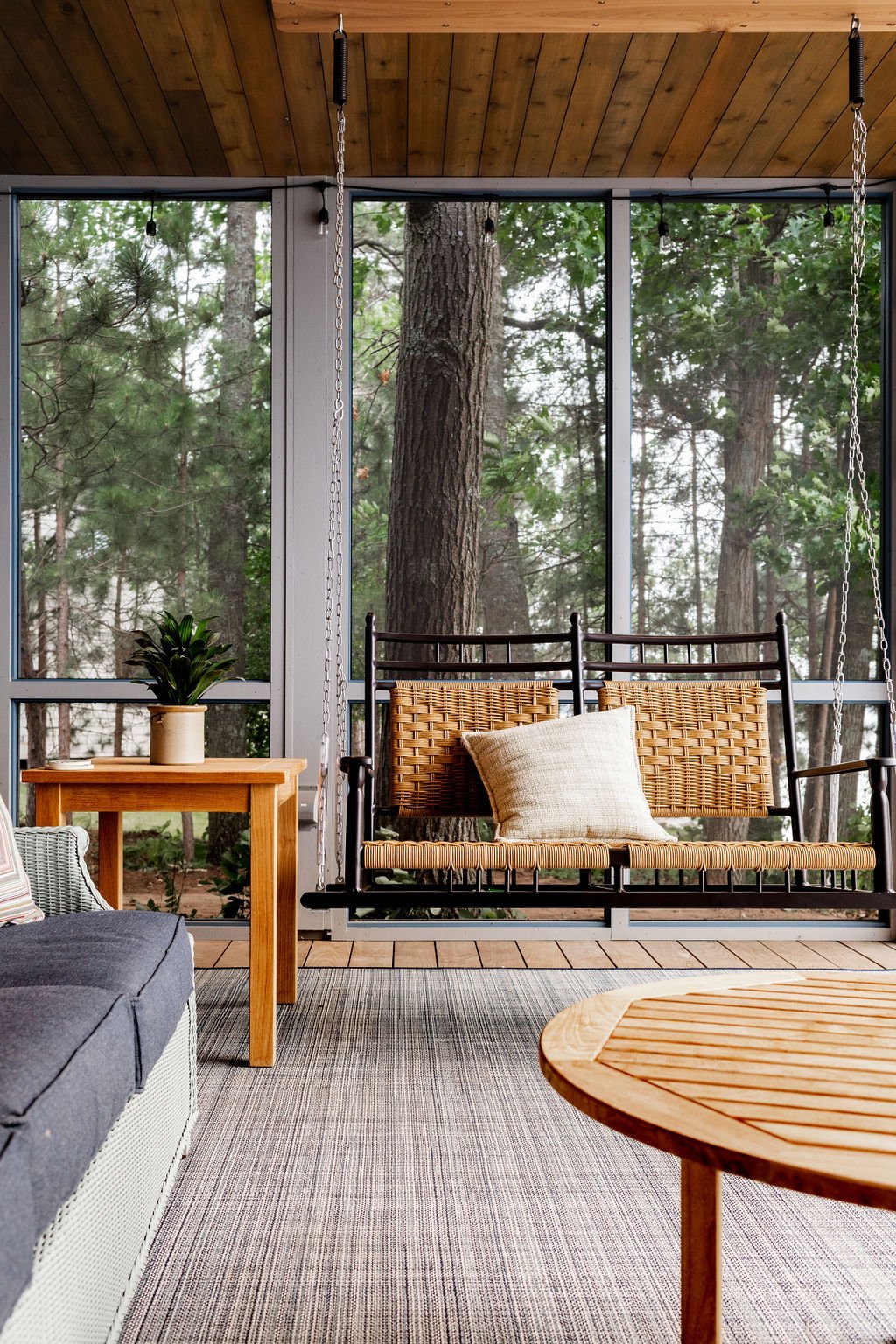
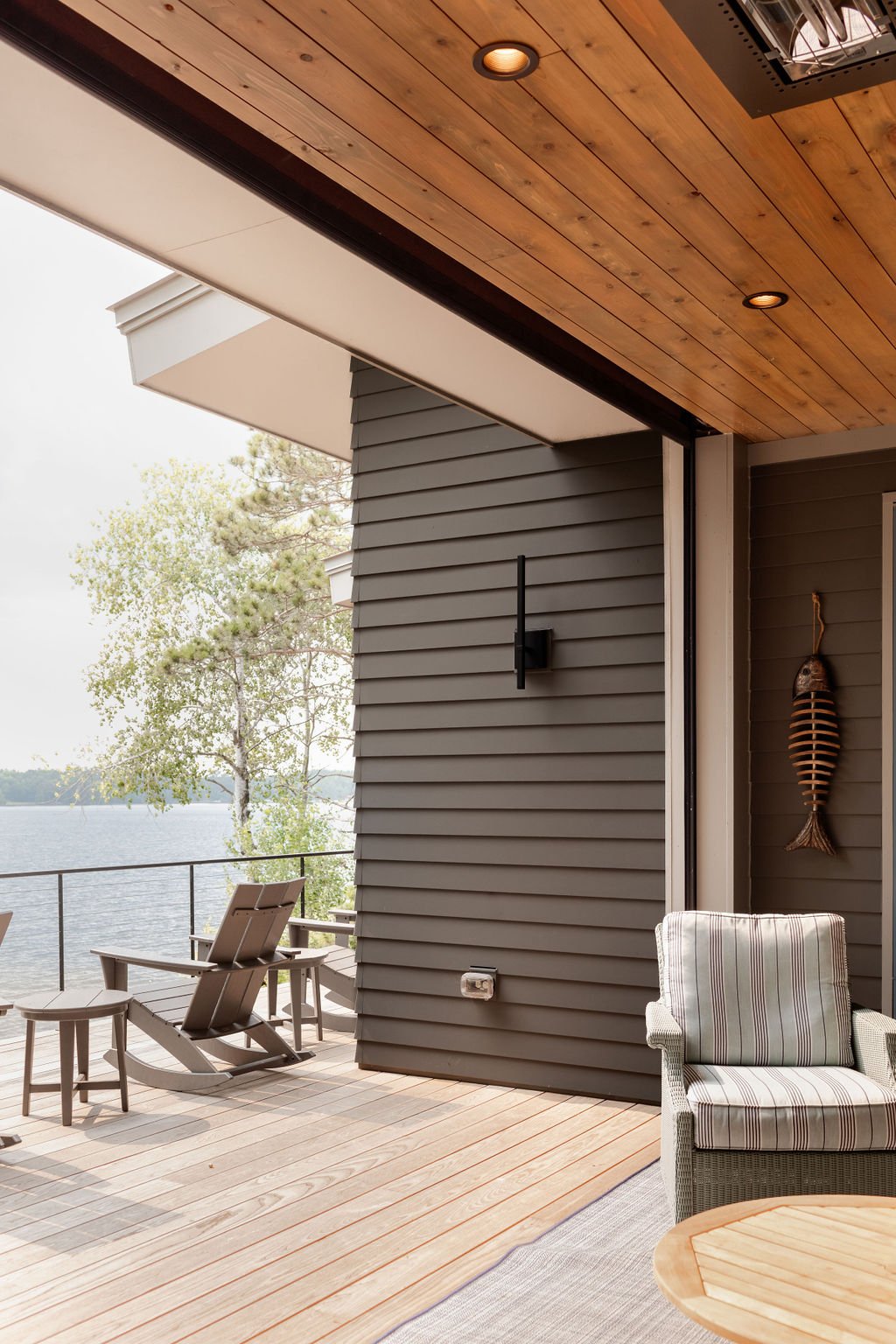
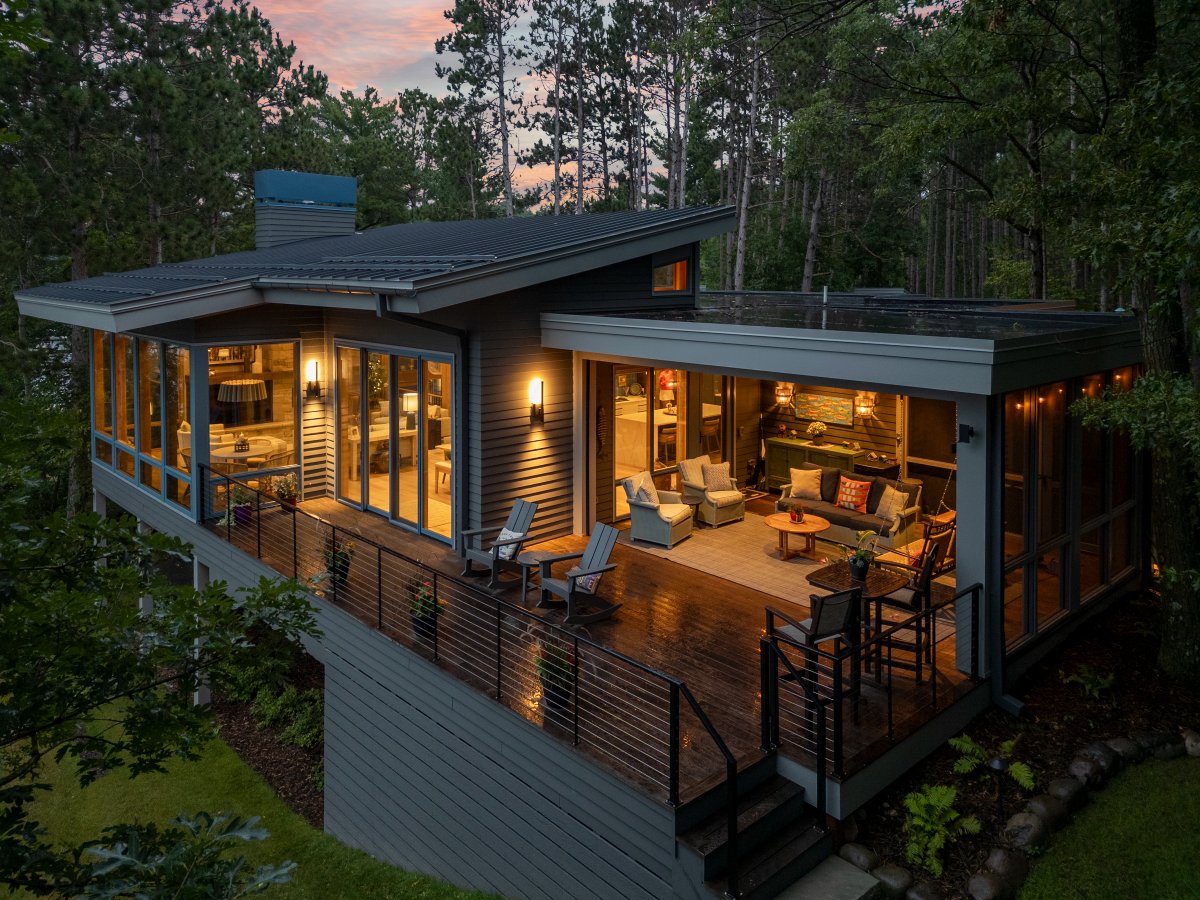
One of the interesting things about designing a lake home is that it essentially has two fronts. There’s the side you arrive at from the road, and then there’s the side facing the water, which may become the side the family experiences most.
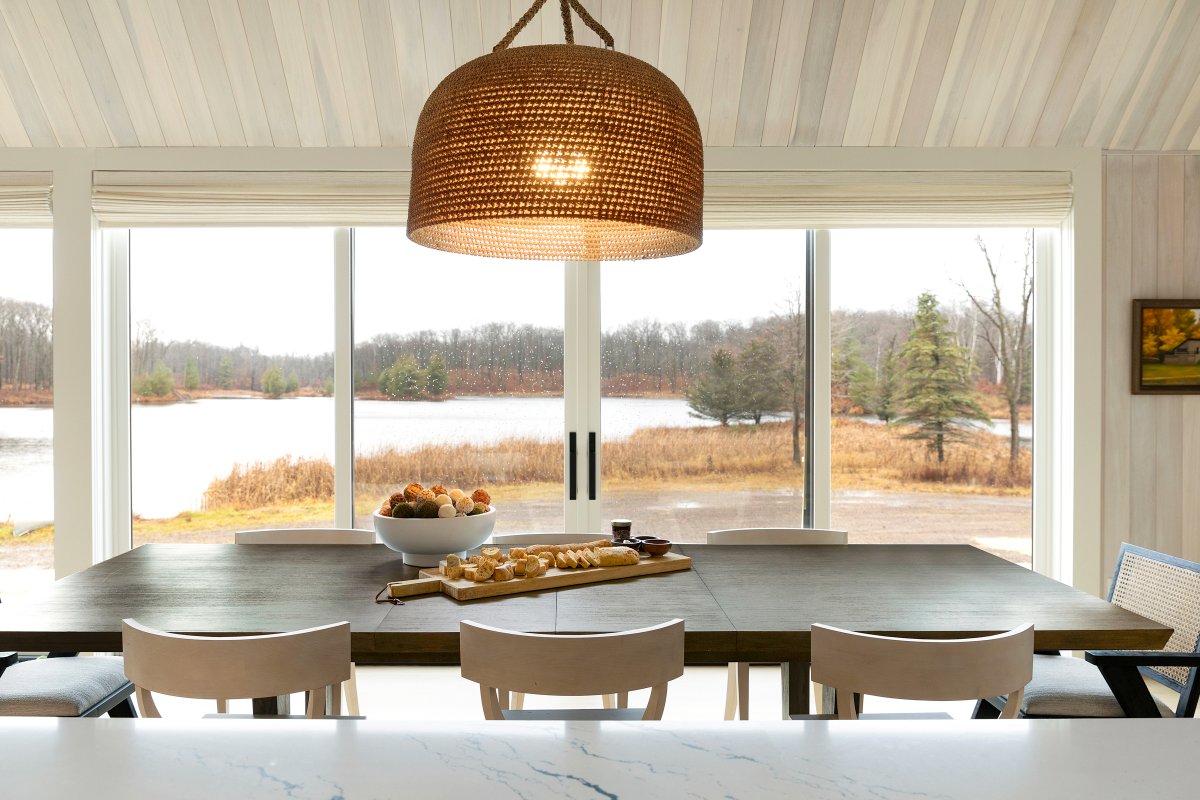
We carefully consider when you should first see the lake as you enter the home, what you’ll see from the kitchen or primary bedroom, if your living spaces should connect to a screened porch, patio, or deck, and what’s the natural path from the house to the dock.
Windows are obviously important, but just adding more glass isn’t always the answer. Privacy, solar exposure, energy efficiency, furniture placement, and the way each room functions still matter. And this is Minnesota and Wisconsin. A lake home shouldn’t only be incredible during boating season. We want homeowners to experience the landscape during all four seasons.
How Do You Make a Lake Home Work for Aging in Place?
Lake properties can present unique long-term accessibility challenges because many of the same things that make them beautiful (slopes, elevation changes, and distance to the shoreline) can make them harder to navigate later in life. For clients building a forever home, we consider that from the beginning.
That might include main-level living, fewer unnecessary steps, an accessible path from the garage, wider circulation areas, room for a future elevator, or a thoughtful route toward the lake. Good universal design doesn’t have to look like “aging-in-place design.” Often, you barely notice it. It simply gives you more options later.
Should You Remodel a Lake Cabin or Tear It Down and Build New?
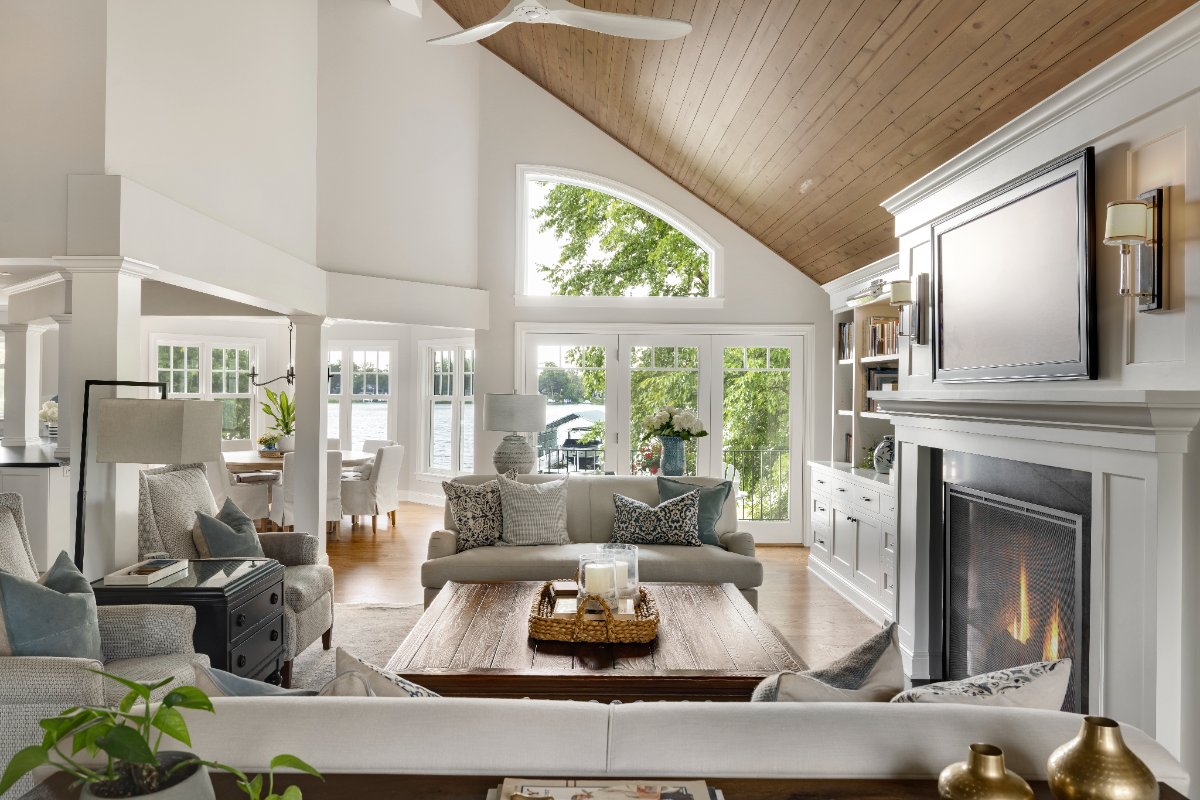
Before tearing down an older lake home, it’s important to understand exactly what you might be giving up. Many older cabins were built before current setback and shoreland regulations. An existing home may sit closer to the water than a new home would be allowed to today. Depending on the jurisdiction and scope of work, preserving and remodeling that structure may offer an opportunity that new construction can’t recreate.
But location isn’t the only consideration. We also evaluate the foundation, structure, mechanical systems, energy performance, ceiling heights, and floor plan. Sometimes transforming an older cabin becomes more complicated and expensive than starting fresh.
That’s why we evaluate both possibilities: What can legally remain? What can change? Where could a new home sit? What will the site work cost under each scenario? And which option creates the best home for the long term?
When Should You Talk to a Builder About a Lake Lot?
Ideally, before you buy it. The purchase price is only one part of what a lake property may ultimately cost. Excavation, access, retaining walls, soil corrections, septic or utility work, stormwater management, shoreline restrictions, and permitting can all add investments that aren’t obvious when you’re standing on the property admiring the view.
Sometimes evaluating those conditions changes the size or configuration of a home. Sometimes it makes remodeling more attractive. And occasionally, it reveals that a beautiful property isn’t the right fit for what a homeowner wants to build.
Finding that out early can save significant money, frustration, and compromise later.
We’ve built and remodeled on Lake Minnetonka and lake properties throughout Minnesota and Northwest Wisconsin, and every property reinforces the same lesson: You can’t apply a standard solution to a waterfront lot. Understand the site first. Then design the home that belongs there.
Interested in working with us? Reach out today!